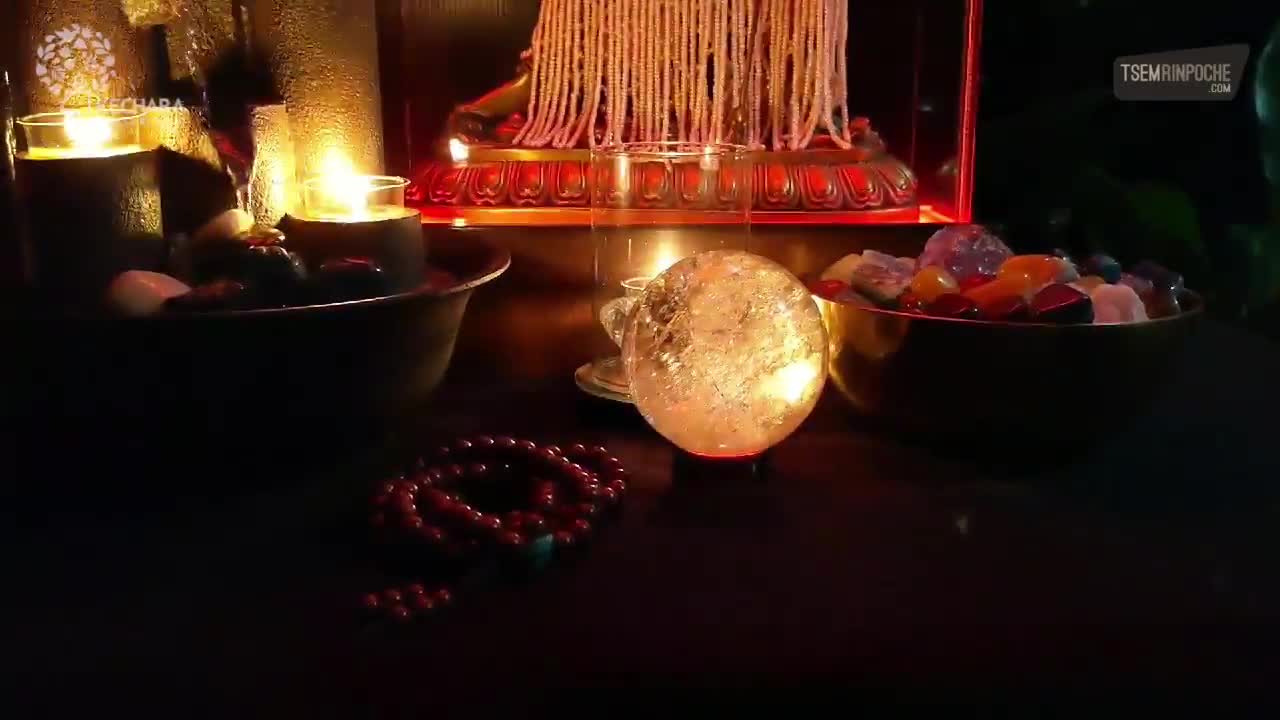
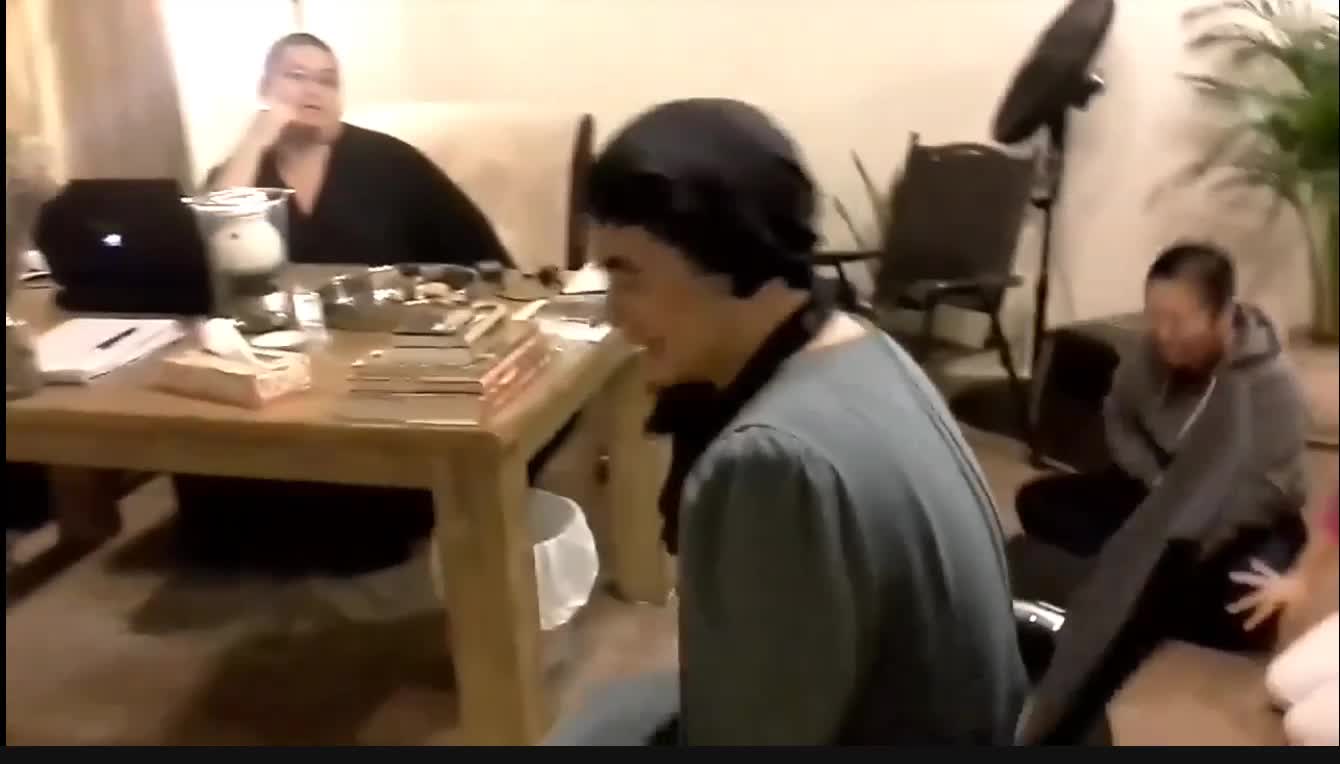
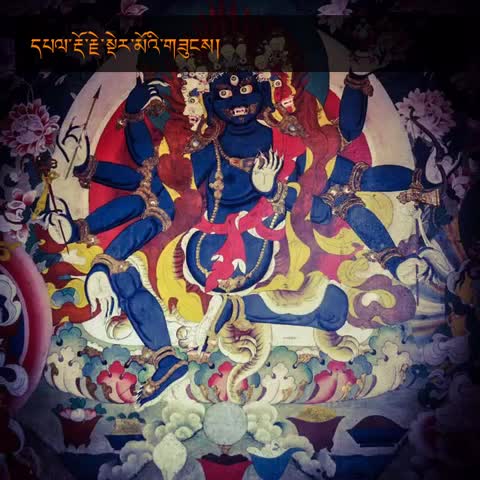
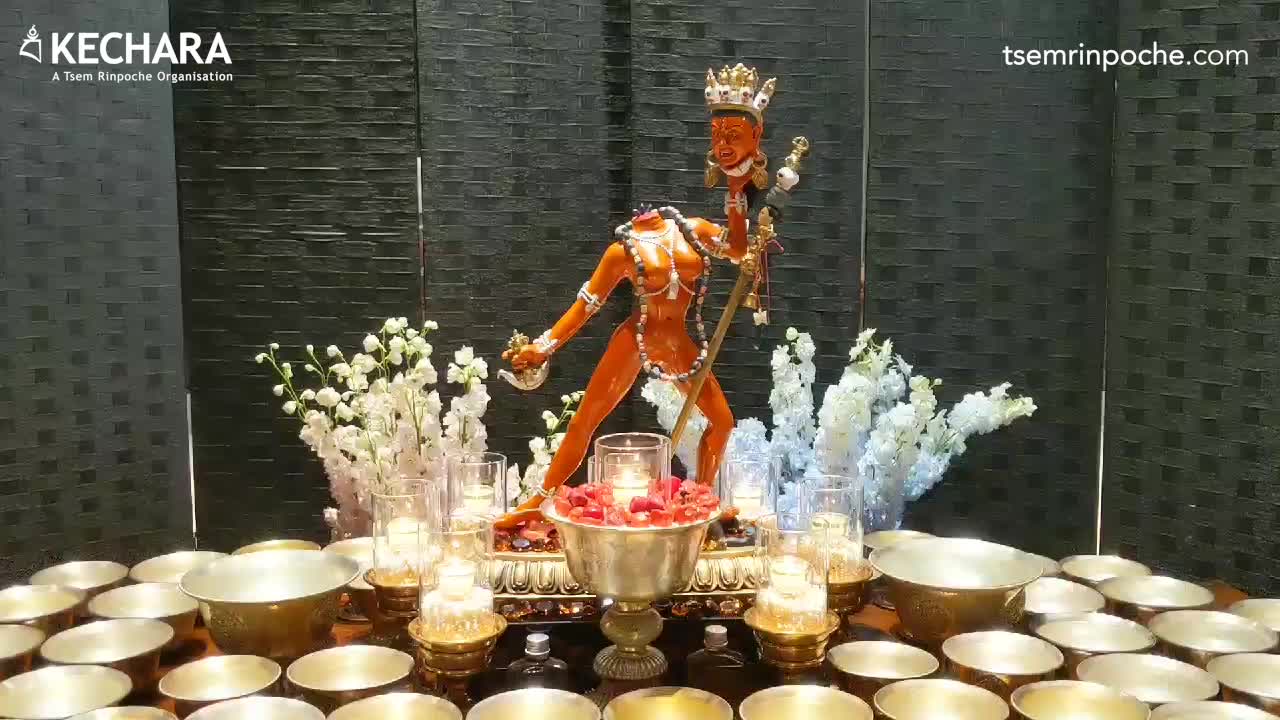
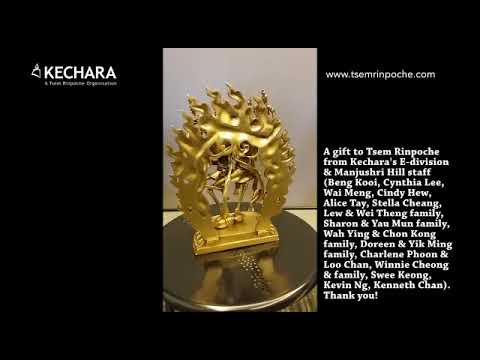
Ucheyma: The Severed Head Goddess Vajra Yogini Ucheyma’s (Tibetan; Sanskrit: Chinnamasta) awe-inspiring depiction as a self-decapitating goddess has inspired generations of practitioners since the introduction of tantric practice in ancient India that spread to Russia, Mongolia, Bhutan, Nepal, China, Tibet, Japan, Korea, Vietnam and now the world. Tantra has been brought to the world in...
Posted in Uncategorized | 1 Comment »

Shantideva was a Buddhist scholar, monk and philosopher, who lived between the 7th century and the 8th century. He is considered one of the 84 Mahasiddhas. Born a wealthy prince, Shantideva turned his back on the material world the night before he was to be crowned king. This extraordinary transformation blossomed from the teachings...
Posted in Uncategorized | 1 Comment »

Dear friends around the world, As most of you already know, I am a strong advocate of vegetarianism. I have always believed that a vegetarian diet can provide the nutrients our bodies need while giving us the option to live healthier and cruelty-free lives. It is a false belief that we can’t get...
Posted in Uncategorized | 2 Comments »

Europe Tibetan Public Talk is a group of Tibetans who live in Europe and they are from all backgrounds and all parts of Tibet. Being that they have lived in Europe for many years, they understand what true democracy and religious freedom is about. They are Tibetan Buddhists and some of them are very...
Posted in Buddhas, Dharma & Practice | 2 Comments »

Lubsan Samdan Tsydenov was a charismatic Buddhist master and visionary from Buryatia in Siberia. He was born at a time when Buddhism was flourishing in the region. However, as he had foreseen challenging times ahead, he did not let the favourable circumstances blind him. When the Russian civil war broke out, Tsydenov’s decision to...
Posted in Uncategorized | 2 Comments »

Helping ghosts and others through mantras When we engage in certain bodily functions like spitting, breaking wind, urinating, passing motion and so forth, it can be an opportunity to benefit other sentient beings. There are certain types of hungry ghosts or those who have taken rebirth as spirits, who are attracted to these...
Posted in Uncategorized | 14 Comments »

“We were born alone and we will die alone. Yet even while alone we still have our shadow with us; and alone after death, our consciousness will still have with it the shadow of our actions, good and bad. By the time we are just about to enter the bardo, the intermediate state between...
Posted in Uncategorized | 5 Comments »

Official Announcement Friday 2nd November, 2018 Plum Village International Practice Center Le Pey, Thénac 24240, France The monks and nuns of the Plum Village International Community of Engaged Buddhists stand by our beloved teacher, the Zen master, global spiritual leader, peace activist and poet Thich Nhat Hanh, as he returns again to his...
Posted in Uncategorized | 2 Comments »

A tale of Vairochana (aka Berotsana བཻ་རོ་ཙ་ན་, bai ro tsa na) and Pang Mipham Gönpo (spang mi pham mgon po) After returning to Tibet, the learned pandit Vairochana was eventually sent into exile to East Tibet; there he taught Yudra Nyingpo, Sangtön Yeshe Lama and the old man Mipham Gönpo before the Buddhist Tibetan King Trisong Detsen summoned him back to Lhasa. Vairochana was a great translator and contemporary of Guru Padmasambhava. Pang Mipham Gönpo became a student of Vairochana when he was already eighty (80) years old. Although 80 years ...
Posted in Uncategorized | 36 Comments »

b.1619 – d.1656 Tradition: Geluk དགེ་ལུགས། Geography: Lhasa ལྷ་ས། Historical Period: 17th Century ༡༧ དུས་རབས། Institution: Drepung Monastery འབྲས་སྤུངས་།; Olkha Cholung འོལ་ཁ་ཆོས་ལུང་།; Trode Khangsar སྤྲོ་བདེ་ཁང་གསར། Name Variants: Zimkhang Gongma 04 Sonam Drakpa Gyeltsen གཟིམས་ཁང་གོང་མ ༠༤ གྲགས་པ་རྒྱལ་མཚན། Drakpa Gyeltsen, better known as Tulku Drakpa Gyaltsen, was born in 1619 in Tolung Gekhasa (stod lung gad kha sa) into a noble family by the same name as the village. His family had previously produced the Twenty-fifth Ganden Tripa, Pe...
Posted in Uncategorized | 2 Comments »

Mahasiddha Lawapa Practicing Kumbhaka This detail of the great siddha Lawapa is one of our favorite depiction of the great Master of Mahamudra and Dream Yoga transmitted to Naropa or Naropada. Credit: HAR 81409 Lawapa or Lavapa (var. la ba pa; grub chen la ba pa; wa ba pa) was a figure in Tibetan...
Posted in Uncategorized | 1 Comment »

H.H. the 30th Sakya Trizin Sonam Rinchen (Main figure) (Top to bottom): Vajrayogini, Buddha Shakyamuni, His Holiness the 30th Sakya Trizin Sonam Rinchen, Hevajra, Gonpo Tramsuk (Brahmarupa), Mahakala of the Doors and Sakya Dorje Shugden Tanag. The 30th Sakya Throneholder Sonam Rinchen enthroned Dorje Shugden as a protector of the Sakya tradition and establish...
Posted in Buddhas, Dharma & Practice | 1 Comment »

Mantras represent the blessings of the enlightened beings in the form of sound. When we recite mantras they stimulate the various parts of our body to heal itself, to clear itself, to purify itself and to gain higher states of consciousness. Therefore, mantras are very powerful. They can be written, visualised or recited out...
Posted in Uncategorized | 4 Comments »

Pith Instructions on Mahamudra I bow to Vajra Dakini. 1 Mahamudra cannot be taught, Naropa, But your devotion to your teacher and the hardships you’ve met Have made you patient in suffering and also wise: Take this to heart, my worthy student. 2 For instance, consider space: what depends on what? Likewise, mahamudra: it...
Posted in Uncategorized | 10 Comments »

Mahasiddha Shyalipa ཥྱ་ལི་པ། (Shya-li-pa) Unusual portrait of the siddha sitting in a cremation ground with a female attendant and tantric partner cutting and offering corpses. Shyalipa (Skt. Śalipa), the ‘Jackal Yogin’, is counted among the eighty-four Indian mahasiddhas. He was terrified of jackals, and so received the instruction to consider all sounds as identical to the cries of jackals. Shyalipa was a laborer from Bighapur. He was so poor that the only place he could afford was one right on the edge of the cremation ground. In...
Posted in Uncategorized | 4 Comments »

Lama Yeshe talks about how to practice at the beginning and at the end of each day during teachings given in London during the Lamas’ first European teaching tour in 1975. Lama Yeshe was a brilliant teacher and I wanted to share this with everyone so his teachings can reach more people. He...
Posted in Uncategorized | 7 Comments »

A person who cannot or refuse to plan for something and make it successful has to rely on his past successes if any. He has to mention how successful he was in school, in his teenage years or when he was with his parents. He has to tell you what degrees he has achieved...
Posted in Uncategorized | 5 Comments »

My very holy, wise and attained lamas told me over 30 years ago that Dorje Shugden is Manjushri. I’ve had many lamas and they tell me the same thing. And that he can benefit many beings during this time and age because our distractions are so many. We need a special protector who can...
Posted in Uncategorized | 3 Comments »

Five Forms of Manjushri (Main figures) (Top to bottom): Orange Manjushri, Four-Armed Manjushri, Manjushri Lion’s Roar, White Manjushri, Black Manjushri and Dorje Shugden. Deity: Manjushri Lion’s Roar (English) Alternative names: Jampel Sengetra (Tibetan); Vadisimha Manjushri (Sanskrit) Manjushri is the patron Buddha of Wisdom. In his right hand, he holds a flaming wisdom sword which...
Posted in Buddhas, Dharma & Practice | 2 Comments »

Saraswati (Main figure) (Top to bottom): Saraswati and Dorje Shugden. Deity: Saraswati (Sanskrit) Alternative names: Yangchenma / Yangchen Drolma (Tibetan); Goddess of Song and Music (English) Saraswati is a well-known deity in both the Hindu and Tibetan Buddhist traditions. In both religions, she is considered by many great masters to be the goddess and...
Posted in Buddhas, Dharma & Practice | 1 Comment »

 1
1